
When you're on the road in your recreational vehicle (RV), your battery is the heart of your electrical system. Whether you’re powering lights, running appliances, or ensuring your RV’s systems are operational, your battery needs to be reliable. T
To avoid costly replacements and unexpected breakdowns, it's crucial to maintain your Recreational vehicle battery properly. In this guide, we’ll discuss expert tips and tricks to help you maximize the lifespan of your RV battery and keep it running smoothly for years.
1. Choose the Right Type of Battery for Your RV
The first step to prolonging the life of your RV battery is choosing the right type for your needs. There are two main types of batteries used in RVs:
Lead-Acid Batteries: These are the traditional, more affordable choice for RV owners. While they are reliable, they require more maintenance and are prone to discharge faster if not cared for properly.
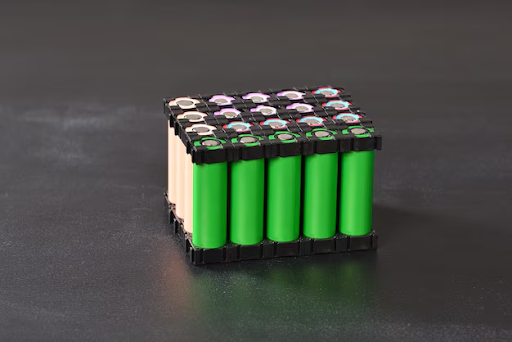
Lithium-ion batteries are newer, more advanced batteries that offer a longer lifespan, faster charging, and are lighter. They are ideal for RV owners seeking more power with reduced maintenance.
Tip: If you plan to spend extended periods off-grid or use multiple appliances simultaneously, lithium-ion batteries may be the better choice due to their higher energy efficiency and longer lifespan.
2. Regularly Monitor Battery Voltage
Monitoring your RV battery's voltage is essential for understanding its health. A battery that is consistently undercharged or overcharged will not last as long.
Fully Charged Battery: A fully charged battery should read between 12.6 to 12.8 volts when the RV is off.
Undercharged Battery: If your battery reads below 12.4 volts, it’s likely undercharged and may need a boost.
Overcharged Battery: If it’s over 13 volts, the battery could be overcharged, which can reduce its lifespan.
Tip: Invest in a good battery monitor or voltage meter to help you keep track of your battery's health at all times.
3. Keep Your Battery Clean and Free from Corrosion
Corrosion around the battery terminals can cause poor connections and even lead to battery failure. To ensure your battery stays clean:
Clean Terminals Regularly: Use a mixture of baking soda and water to clean corrosion from the terminals. If the corrosion is severe, consider using a terminal cleaning brush.
Check Battery Connections: Ensure the terminals are tightly connected but not over-tightened, as this can damage the battery.
Tip: Use a battery terminal protectant spray to prevent corrosion from forming in the first place.
4. Ensure Proper Battery Charging
Charging your RV battery properly is crucial to maintaining its longevity.
Avoid Shallow Discharges: Try not to discharge your battery below 50%. A deeper discharge will shorten its lifespan, especially for lead-acid batteries. Lithium-ion batteries can tolerate deeper discharges, but it’s still a good idea to avoid completely draining them.
Use a Quality Battery Charger: Always use a high-quality, RV-specific charger. Some chargers are designed to charge RV batteries slowly and evenly, which helps preserve battery life.
Avoid Overcharging: Overcharging can cause the battery to overheat, leading to damage and a reduced lifespan. Look for smart chargers that automatically shut off when the battery is fully charged.
Tip: Ensure your battery is charged slowly, especially during winter months when the RV is not in use.
5. Store Your Battery Properly in the Off-Season
If you’re storing your RV for the winter or an extended period, the way you store your battery can significantly impact its longevity.
Remove the Battery: If possible, remove the battery from the RV to store it in a cool, dry place. Extreme temperatures (especially cold ones) can cause the battery to lose its charge or even freeze, damaging it.
Charge It Every Few Weeks: If you’re storing the battery for a long time, charge it every 3-4 weeks to prevent it from discharging completely. Lithium batteries can handle storage better, but lead-acid batteries need periodic charging to maintain their charge.
Tip: Use a battery maintainer or trickle charger to keep your battery at the ideal charge level during storage.
6. Use Power Wisely to Extend Battery Life
When you’re using your RV on the road, managing your power usage can help extend the life of your battery. Here are some tips:
Turn Off Unused Appliances: Always turn off lights, appliances, and electronics when you’re not using them. Even small things like lights left on can drain the battery over time.
Use LED Lights: LED lights are more energy-efficient than traditional incandescent bulbs, helping you conserve power.
Invest in Solar Power: If you plan on staying off-grid, consider installing a solar panel system. Solar power can help keep your battery charged, thereby reducing the strain on it.
Tip: Use energy-efficient devices, such as LED lights and low-power appliances, to reduce the overall load on your battery.
7. Perform Regular Battery Inspections
Regular inspections of your battery can help you spot any potential issues early. Check for:
Leaks: A leaking battery should be replaced immediately, as it can damage your RV’s electrical system.
Bulging or Cracked Casings: This can be a sign of a damaged battery that requires replacement.
Loose Connections: Ensure all connections are tight, and there is no corrosion build-up.
Tip: Perform a visual check every few months to catch issues before they cause significant damage.
Conclusion
Taking care of your RV battery doesn’t have to be difficult, but it does require regular maintenance and attention to detail. By selecting the correct battery, monitoring its charge, maintaining its cleanliness, and utilizing energy efficiently, you can significantly prolong the lifespan of your RV battery. Remember, the better you care for your battery, the less often you’ll need to replace it—and the more enjoyable your RV adventures will be.














Write a comment ...